
The Armenian aviation landscape in 2025 has reached a pivotal turning point, characterized by aggressive expansion from low-cost carriers, a significant increase in global mobility for citizens, and a government-led push to transform the country into a regional transit hub. As the year draws to a close, the sector is not only celebrating record-breaking passenger numbers but also laying the groundwork for even more ambitious connections in the coming year.
2025: Expanding Horizons and Strengthening Ties
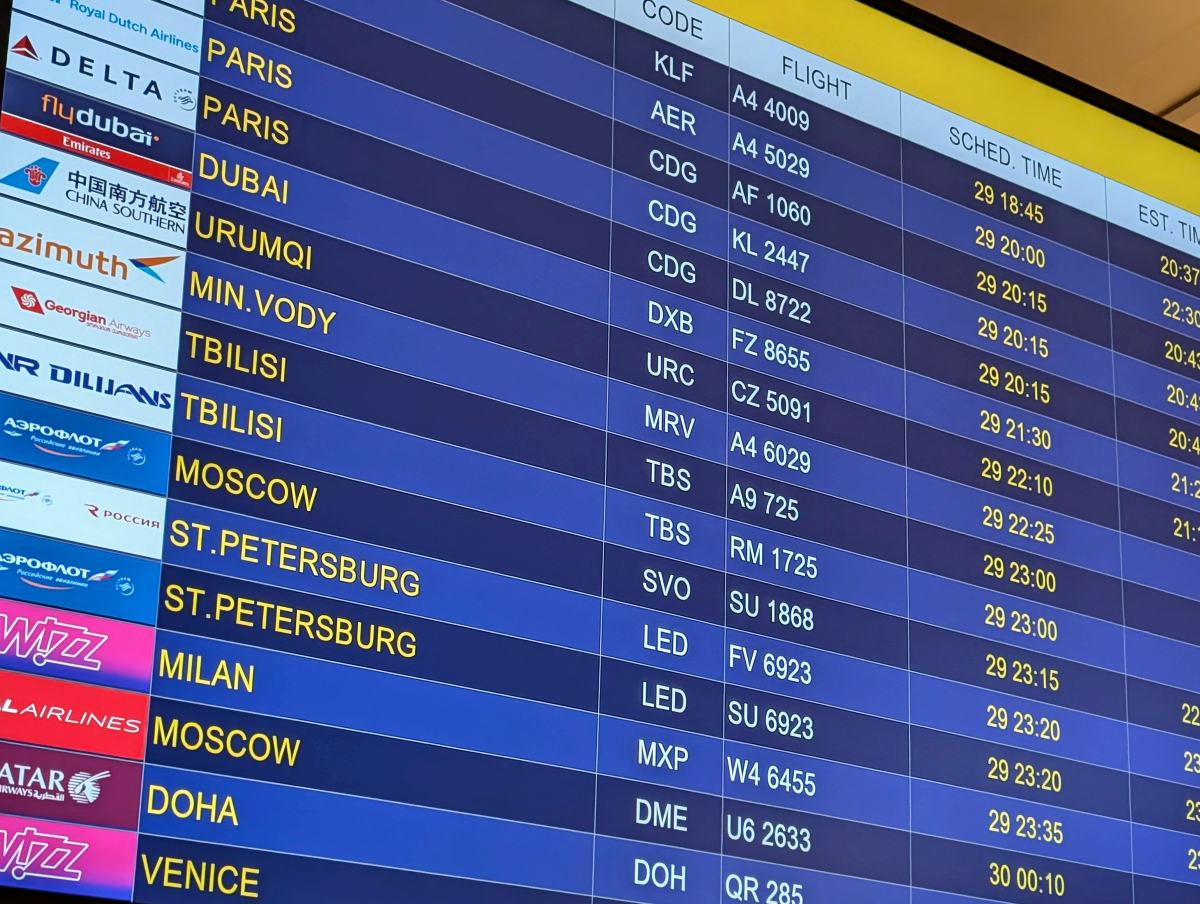
Enhanced Global Mobility
The year 2025 began with a boost to the Armenian passport’s mobility. Armenian citizens now enjoy visa-free or visa-on-arrival access to over 66 destinations worldwide. Key additions and existing agreements with countries like China, the UAE, Qatar, and several South American nations have made international travel more accessible than ever. This increased freedom of movement has acted as a catalyst for both outbound tourism and business development.
Strategic route expansion
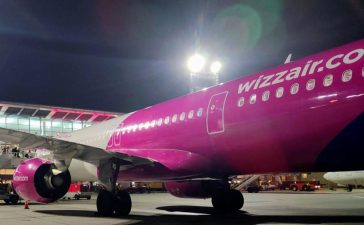
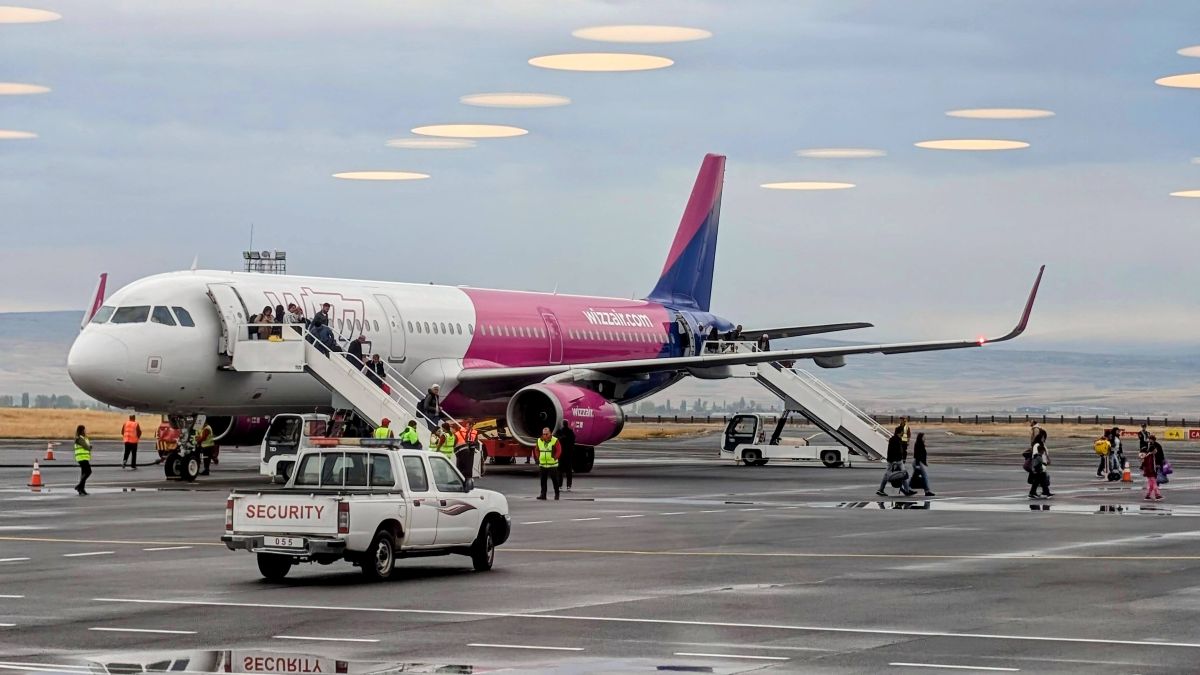
Low-cost carriers have been the primary engine of growth this year. Wizz Air made headlines by strengthening its presence at Gyumri’s Shirak Airport, notably launching a direct route from Gyumri to Larnaca, Cyprus. This move has been instrumental in decentralizing air traffic and providing affordable “sea-side” access to residents of Armenia’s northern regions.
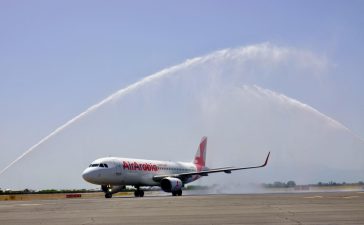
Simultaneously, Air Arabia has reinforced Armenia’s link to the Middle East. By maintaining and expanding direct flights between Yerevan and Sharjah, the airline has provided a vital gateway for passengers traveling to the Gulf, India, and beyond, leveraging its hub to offer competitive pricing for Armenian travelers.
Strengthening the eastern corridor: Yerevan to Delhi
A major highlight in 2025 has been the strengthening of ties between Armenia and India through the launch of the first-ever direct air connection between the two nations. Armenian Airlines officially commenced direct flights between Yerevan and New Delhi on February 21, 2025.
Operating twice weekly on Tuesdays and Fridays (using Airbus A321-200 aircraft), this route has revolutionized travel for the growing Indian community in Armenia, which now numbers over 30,000 residents. Beyond serving point-to-point travelers, the flight is strategically positioned as a transit link, offering seamless connections for passengers traveling from Delhi to Moscow via Yerevan. This new “Eastern Gate” is expected to further boost bilateral trade and tourism, which saw a nearly 60% increase in Indian visitors over the past year.
Local players and new markets
FLYONE Armenia has emerged as a dominant force in the domestic market, capping off 2025 with the launch of direct flights to Alicante, Spain in 2026. This route serves the significant Armenian diaspora in Spain and taps into the growing demand for European leisure destinations.
Government Support and Infrastructure The Armenian government has prioritized aviation as a strategic pillar of economic growth. In 2025, the Ministry of Territorial Administration and Infrastructure introduced a state support program to subsidize new routes. Airlines based at Zvartnots or Shirak airports that launch new destinations are eligible for subsidies of up to 20,000 AMD per passenger. This policy has successfully attracted five new airlines to the market this year, pushing annual passenger traffic toward the 5.5 million mark.
2026 Forecast: The road to Europe and beyond
As we look toward 2026, the momentum of the Armenian aviation market shows no signs of slowing. The focus is shifting toward deep-rooted European integration and high-demand long-haul routes.
The “London-Amsterdam” Milestone The most anticipated developments for the first half of 2026 are the new connections to major European hubs:
- Yerevan to Amsterdam: Starting April 1, 2026, FLYONE Armenia will launch twice-weekly flights (Wednesdays and Saturdays) to the Dutch capital. This route is expected to be a major bridge for business and tourism.
- Yerevan to London: Beginning June 12, 2026, Wizz Air will launch direct flights to London Luton. Operating twice weekly on Mondays and Fridays, this marks the first time a low-cost carrier has connected Armenia directly to the United Kingdom, with fares starting as low as $49.

Strategic Transit Hub Ambitions By 2026, the Armenian government aims to increase passenger flow by an additional 5-6%. A budget of 3.6 billion AMD has been earmarked for the aviation sector in 2026 to continue the subsidy program. Furthermore, ongoing infrastructure projects at Zvartnots Airport are set to expand its capacity to handle the rising influx of transit passengers, which has seen a dramatic rise from negligible numbers in 2018 to hundreds of thousands today.
The EU blacklist exit
Perhaps the most critical forecast for 2026 is the potential removal of Armenian airlines from the EU Safety Blacklist. Following positive audits in late 2025, officials are optimistic that the technical hurdles will be cleared by mid-2026. Re-entry into European skies would allow Armenian-registered carriers to operate their own aircraft on European routes, significantly lowering operational costs and increasing the competitiveness of local airlines.
The American Connection: Progress toward Los Angeles
A significant milestone on the horizon for 2026 is the potential establishment of the long-awaited direct air link between Yerevan and Los Angeles. In late 2025, high-level diplomatic and technical discussions intensified, with the Armenian Ambassador to the U.S. meeting with major carriers like United Airlines to explore the commercial and regulatory viability of the route.
While travelers currently rely on connecting flights through hubs like Frankfurt, Paris, or Doha, the Ministry of Territorial Administration and Infrastructure has confirmed that addressing legislative hurdles—specifically those related to flight codes and EU airspace regulations—is a top priority for the coming year. Given that surveys show nearly 97% of the Armenian-American community would prefer a non-stop option, the launch of this “bridge to the Diaspora” in 2026 would not only save passengers over 20 hours of travel time but also serve as a major catalyst for bilateral trade and the “Crossroads of Peace” strategic initiative.
The “Armenian aviation market in 2025” has proven that strategic subsidies and an open-skies approach can yield rapid results. With the 2026 forecast promising direct access to major capitals like London and Amsterdam, Armenia is well on its way to becoming a prominent fixture on the international aviation map.